FirstNarration

Collina Strada's latest runway show at New York Fashion Week has generated sharply divided reactions across the fashion industry, with critics and insiders split over the brand's unconventional presentation and design approach.
The sustainable fashion label, known for pushing boundaries in both aesthetics and environmental messaging, presented a collection that some praised as innovative and others criticized as disconnected from commercial reality. The show has become one of the most discussed moments of this season's fashion week calendar.
What Happened at the Show
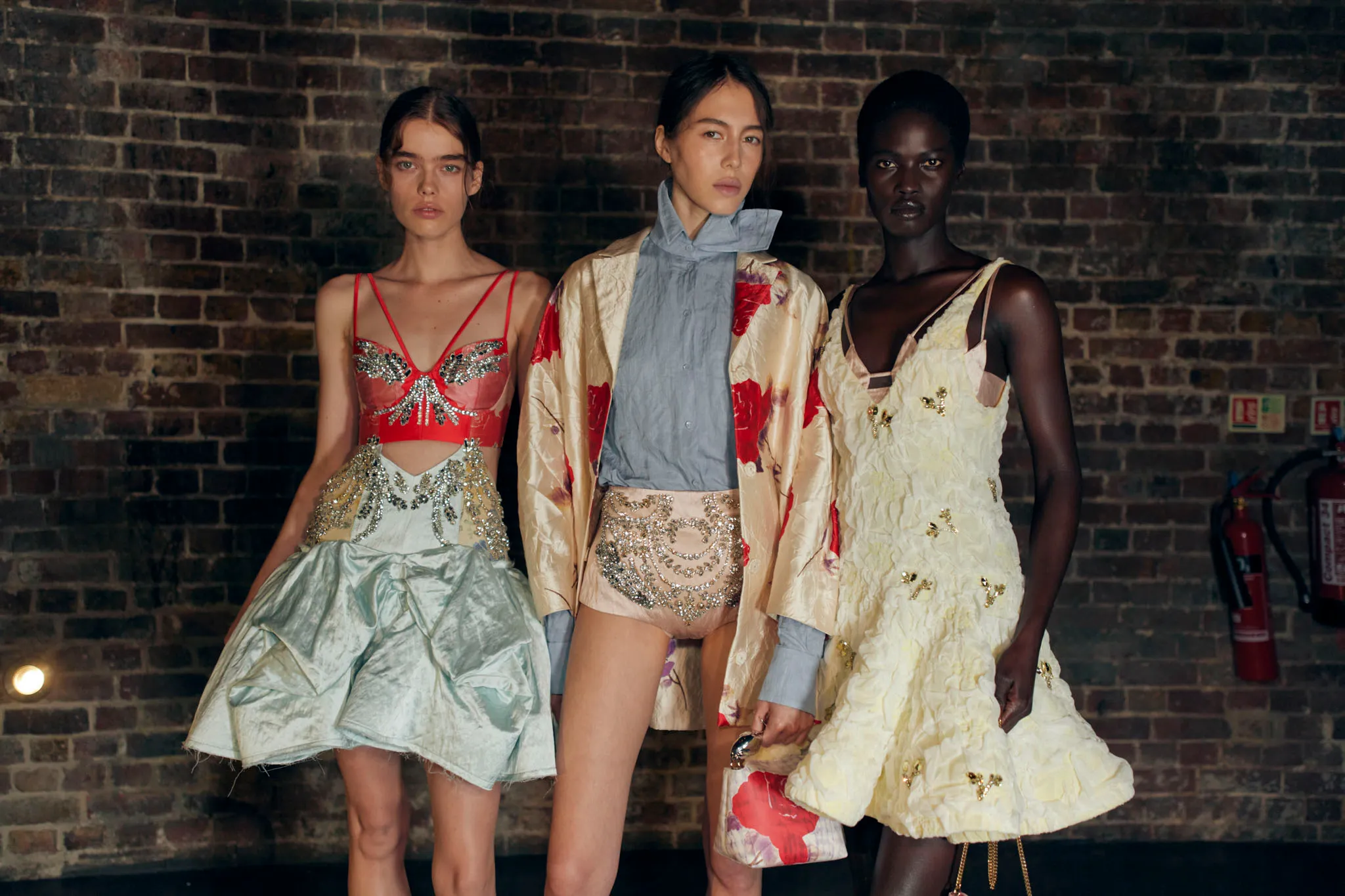
Collina Strada's presentation featured the brand's signature blend of bold colours, upcycled materials, and experimental silhouettes. The show incorporated elements that challenged traditional runway formats, though specific details about the presentation style and collection themes remain part of ongoing fashion week coverage.
The brand, founded by designer Hillary Taymour, has built its reputation on combining sustainability with avant-garde design. This latest collection continued that approach, featuring pieces constructed from recycled and repurposed materials alongside the brand's characteristic maximalist aesthetic.
The Divided Response
Fashion critics and industry professionals have responded with notably different assessments. Some reviewers have praised the collection as a necessary challenge to fashion's conventions, highlighting the brand's commitment to environmental responsibility and creative risk-taking.
Others have questioned whether the presentation prioritized concept over wearability, raising concerns about the commercial viability of pieces that push too far beyond mainstream appeal. The debate reflects broader tensions within fashion about balancing artistic expression with market demands.
Social media reaction has been similarly mixed, with fashion week attendees and online observers expressing both enthusiasm and scepticism about the direction Collina Strada is taking.
Collina Strada's Position in Fashion
The brand has established itself as a prominent voice in sustainable fashion since its founding. Collina Strada has consistently used its platform to address environmental issues, often incorporating activism and social commentary into its collections and presentations.
This approach has earned the label a dedicated following among consumers and industry figures who prioritize ethical fashion. The brand's shows regularly generate discussion beyond typical runway coverage, addressing questions about fashion's environmental impact and the industry's responsibility toward sustainability.
Why This Debate Matters
The polarized response to Collina Strada's show highlights ongoing questions facing the fashion industry. As brands increasingly address sustainability and social issues, they must navigate the challenge of maintaining creative integrity while remaining commercially successful.
The debate also reflects different perspectives on what fashion week presentations should accomplish. Some view runway shows as pure creative expression and brand positioning, while others emphasize their role in presenting commercially viable collections to buyers and press.
For emerging designers and established brands alike, Collina Strada's reception offers a case study in the risks and rewards of taking unconventional approaches. The divided reaction suggests that fashion audiences remain uncertain about how far brands should push boundaries, particularly when sustainability and activism are central to their identity.
As fashion week continues, the conversation around this show is likely to influence how other designers approach their presentations and how the industry evaluates collections that prioritize message and sustainability alongside traditional design criteria.