 FirstNarration
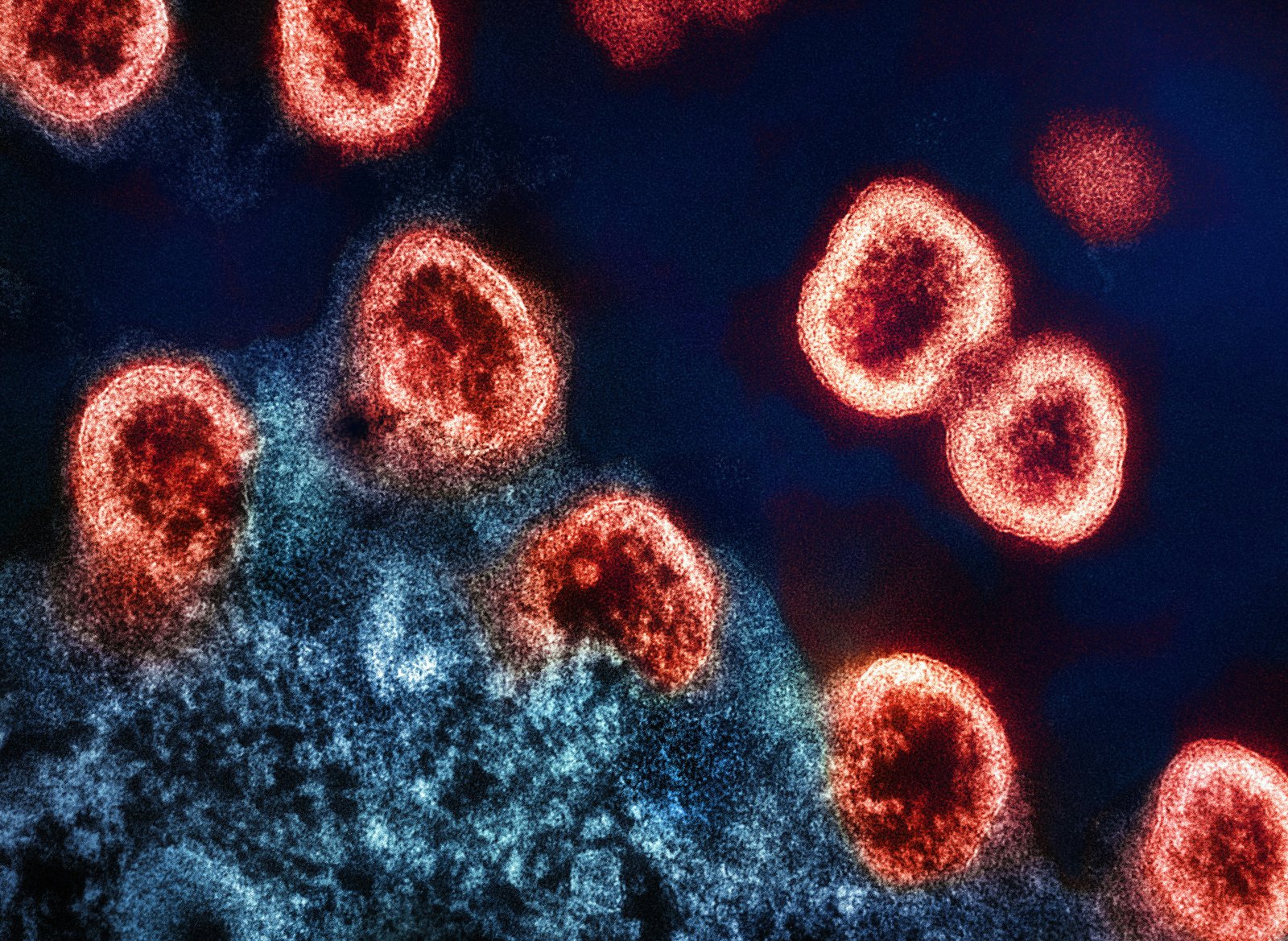
Fiji has declared HIV a national emergency following a significant increase in cases across the Pacific island nation. The declaration represents a major escalation in the country's public health response and signals the government's recognition of the growing threat posed by the virus.
The emergency status is expected to unlock additional resources, streamline coordination between health agencies, and enable faster implementation of prevention and treatment programmes. Fiji joins a small number of countries that have taken this step to address HIV transmission within their borders.
What Led to the Declaration
The decision follows a documented surge in HIV cases in Fiji, though specific infection numbers have not been publicly detailed at this stage. Health authorities have been monitoring rising transmission rates that prompted the government to act with urgency.
National emergency declarations for disease outbreaks are typically reserved for situations where standard health responses prove insufficient and where rapid, coordinated action across multiple sectors is required. The move indicates that Fiji's existing HIV prevention and treatment infrastructure has been overwhelmed by the scale of new infections.
Pacific island nations face particular challenges in managing HIV due to geographic isolation, limited healthcare infrastructure, and difficulties in maintaining consistent supply chains for testing kits and antiretroviral medications. Small population sizes can also mean that percentage increases in cases represent significant public health concerns even when absolute numbers appear modest.
Implications for Public Health Response
The emergency declaration is expected to enable several immediate changes. Government agencies will likely receive expanded authority to implement prevention campaigns, conduct widespread testing, and ensure treatment access for those diagnosed with HIV.
Emergency status typically allows for expedited procurement of medical supplies, deployment of healthcare workers to affected areas, and mobilisation of funding that would otherwise require lengthy approval processes. It also raises public awareness and can reduce stigma by framing HIV as a health emergency requiring collective action rather than an individual failing.
International health organisations and donor countries may also respond with increased support once a national emergency is declared, providing technical expertise, funding, or medical supplies to assist the response effort.
HIV in the Pacific Region
While HIV prevalence in Pacific island nations has historically been lower than in many other regions, several countries in the area have reported concerning trends in recent years. Limited access to sexual health education, testing services, and treatment can allow the virus to spread more rapidly once it gains a foothold in a community.
Papua New Guinea has the highest HIV burden in the Pacific, but smaller island nations including Fiji have faced their own challenges in controlling transmission. Geographic isolation can complicate efforts to maintain consistent antiretroviral therapy for those living with HIV, as medication shortages or supply chain disruptions can interrupt treatment and increase the risk of drug resistance.
The declaration by Fiji may prompt other Pacific nations to reassess their own HIV surveillance and response capabilities, particularly if similar transmission patterns are identified elsewhere in the region.
What This Means for Treatment and Prevention
For people living with HIV in Fiji, the emergency declaration should improve access to antiretroviral therapy and support services. Emergency measures often include provisions to ensure uninterrupted medication supplies and expanded counselling and care services.
Prevention efforts are likely to intensify, including public awareness campaigns about transmission routes, expanded testing programmes to identify undiagnosed cases, and potentially the introduction or scaling up of pre-exposure prophylaxis for high-risk populations.
Healthcare workers may receive additional training in HIV management, and testing facilities could be established in areas previously underserved. The declaration may also facilitate partnerships with international organisations experienced in HIV response, bringing additional expertise and resources to Fiji's efforts.
Anyone concerned about HIV exposure should seek testing and medical advice from qualified healthcare providers. Early diagnosis and treatment significantly improve health outcomes and reduce the risk of transmission to others.


