 FirstNarration

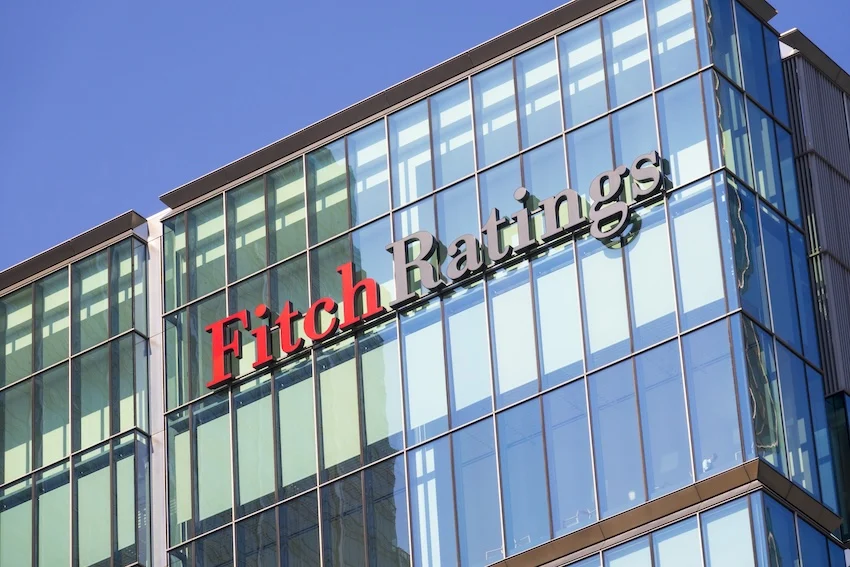
Fitch Ratings has revised Bulgaria's sovereign credit outlook to positive from stable while affirming the country's long-term foreign currency issuer default rating at BBB+. The upgrade reflects improved confidence in Bulgaria's fiscal trajectory and economic stability.
The positive outlook indicates Fitch believes there is a realistic possibility of an upward rating revision within the next 12 to 18 months if current trends continue. The BBB+ rating itself remains unchanged, placing Bulgaria in the lower tier of investment grade, three notches above speculative or junk status.
What Drove the Outlook Change
Fitch's decision follows sustained improvements in Bulgaria's public finances and macroeconomic performance. The agency typically revises outlooks when it observes material shifts in a country's creditworthiness that could lead to a rating change if sustained.
Bulgaria has been working to strengthen its fiscal position in recent years, reducing deficits and managing debt levels while pursuing eurozone membership. The country has maintained a currency board arrangement pegging the lev to the euro since 1997, which provides monetary stability but limits policy flexibility.
The positive outlook suggests Fitch sees Bulgaria making progress on structural reforms and fiscal consolidation targets that could warrant a higher rating if maintained. This contrasts with many emerging European economies that have faced rating pressure from rising debt burdens and inflation challenges.
What BBB+ Means for Borrowing Costs
A sovereign credit rating directly affects the interest rate a government pays when borrowing in international markets. The BBB+ rating keeps Bulgaria firmly in investment grade territory, meaning institutional investors with mandates requiring investment grade securities can continue purchasing Bulgarian government bonds.
The outlook revision to positive typically leads to tighter spreads, meaning Bulgaria's borrowing costs relative to benchmark rates should decline modestly as investors price in reduced risk. This translates to lower debt servicing expenses for the government, freeing up fiscal resources for other priorities.
For comparison, countries rated BBB+ by Fitch include Mexico, Indonesia, and the Philippines. A one-notch upgrade to A- would place Bulgaria alongside nations like Poland, Saudi Arabia, and Malaysia in Fitch's rating hierarchy.
Regional Context and Eurozone Ambitions
Bulgaria's improved credit outlook comes as the country continues its push for full eurozone membership. The European Central Bank and European Commission have been assessing Bulgaria's readiness to adopt the euro, with fiscal discipline and institutional quality among the key criteria.
The positive outlook from Fitch may strengthen Bulgaria's case for euro adoption by demonstrating credible commitment to sound fiscal management. However, the eurozone accession process involves multiple stages and requires approval from existing member states, making the timeline uncertain.
Other countries in Southeast Europe have faced more challenging rating environments. Serbia holds a BB+ rating, one notch below investment grade, while North Macedonia sits at BB-. Romania, an EU member like Bulgaria, carries a BBB- rating, the lowest investment grade tier.
Implications for Emerging Market Investors
The outlook revision matters beyond Bulgaria's immediate borrowing costs. It signals to international investors that Fitch sees a credible reform path in a region that has experienced significant economic and political volatility in recent decades.
Emerging market bond funds and sovereign wealth funds often use rating changes and outlook revisions as triggers for portfolio adjustments. A positive outlook can attract fresh capital inflows as investors position ahead of a potential upgrade, which would automatically increase demand from index-tracking funds.
The revision also provides a benchmark for other countries in the region pursuing fiscal consolidation and structural reforms. Rating agencies typically evaluate similar economies against comparable peers, meaning Bulgaria's progress could influence how investors assess risk across Southeast Europe.
Fitch will continue monitoring Bulgaria's fiscal performance, structural reform implementation, and progress toward eurozone criteria. The agency typically reviews sovereign ratings at least annually, with the possibility of interim actions if conditions change materially.