FirstNarration
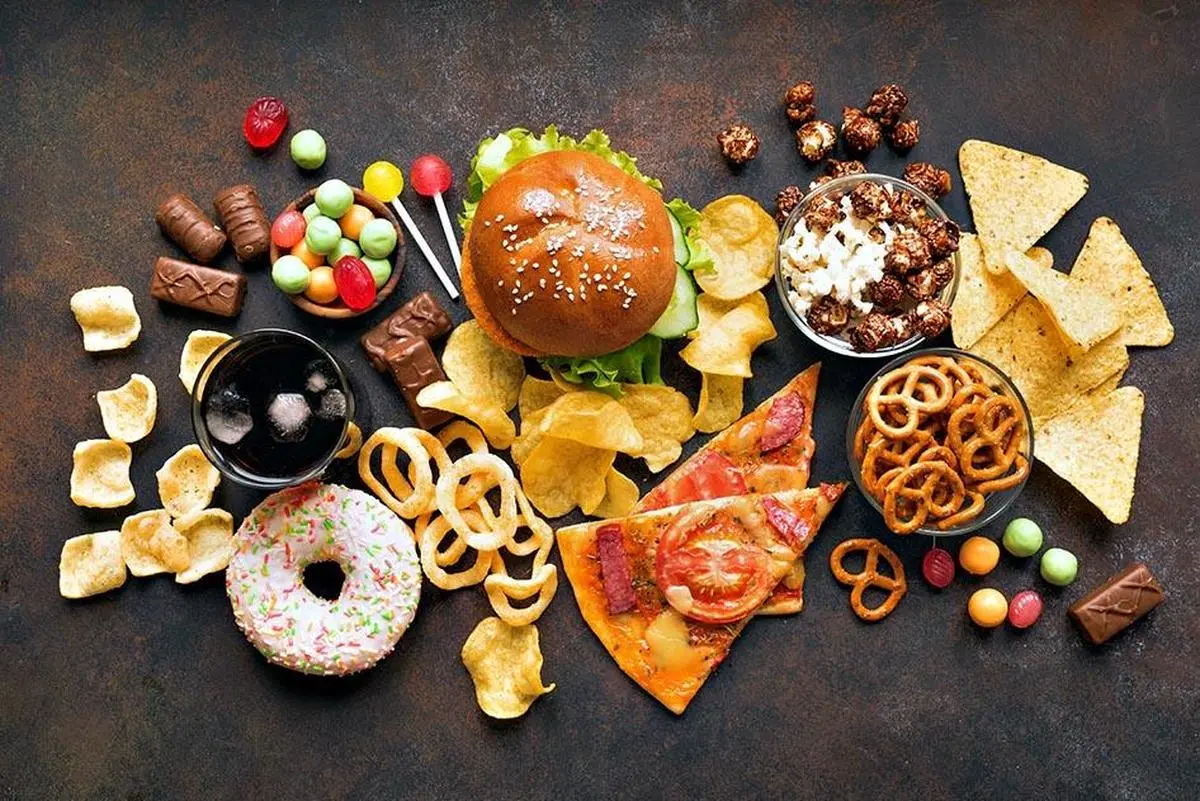
Indian authorities are implementing measures to restrict the sale of junk food in shops and outlets located near schools, extending regulatory efforts beyond school premises to address rising childhood obesity and diet-related health concerns.
The move targets commercial establishments within proximity of educational institutions, marking a shift from earlier policies that focused primarily on what was sold inside school canteens. Regulators are seeking to limit children's access to high-sugar, high-salt, and high-fat products during and immediately after school hours.
What the New Measures Include
The regulatory framework being rolled out involves restrictions on the types of food products that can be sold in shops within a specified distance of schools. While the exact radius varies by state and municipality, the measures generally cover vendors, small shops, and food outlets that students can easily reach during breaks or after classes.
Products likely to face restrictions include carbonated drinks, packaged snacks high in salt or sugar, deep-fried items, and processed foods with minimal nutritional value. The regulations are being implemented through a combination of state-level food safety authorities and local municipal bodies.
Some jurisdictions are also requiring shops near schools to stock healthier alternatives and display nutritional information more prominently. Enforcement mechanisms include periodic inspections, warnings, and potential fines for non-compliance.
Why India Is Taking This Step
India has seen a significant increase in childhood obesity and diet-related health problems over the past two decades. Urban areas in particular have recorded rising rates of diabetes, hypertension, and metabolic disorders among young people, conditions that public health officials attribute partly to changing dietary patterns.
Studies have shown that children consume a substantial portion of their daily calories from foods purchased outside school premises, often from nearby shops and street vendors. Even when school canteens comply with nutritional guidelines, easy access to junk food immediately outside school gates undermines those efforts.
The regulatory push follows similar patterns in other countries that have expanded food controls beyond school boundaries. International evidence suggests that proximity-based restrictions can reduce junk food consumption among students when consistently enforced.
Implementation Challenges
The effectiveness of these measures will depend heavily on enforcement capacity and cooperation from local shop owners, many of whom operate small businesses with thin profit margins. Junk food products often have higher margins than fresh or healthier alternatives, creating an economic disincentive for voluntary compliance.
Monitoring hundreds of thousands of small shops across India's vast urban and semi-urban landscape presents a logistical challenge. Some states are piloting the regulations in select districts before wider rollout, while others are combining restrictions with awareness campaigns aimed at parents and students.
There is also the question of defining what constitutes junk food in a regulatory context. Different states may adopt different standards, and the food industry has historically contested overly broad definitions that could affect a wide range of products.
Broader Context
This initiative is part of a wider set of public health interventions India has introduced in recent years, including front-of-package warning labels on packaged foods, restrictions on advertising of unhealthy products to children, and mandatory nutritional standards for school meals.
The government has also been working with the food industry to reformulate popular products, reducing sugar, salt, and trans fat content. However, progress has been uneven, and voluntary commitments from manufacturers have not always translated into measurable change.
For Pakistan, where childhood obesity rates are also rising and similar dietary patterns are emerging in urban centres, India's experience with proximity-based junk food restrictions may offer useful lessons. Pakistan currently regulates school canteens in some provinces but has not implemented comparable controls on shops near schools. Whether such measures would be feasible or effective in the Pakistani context would depend on enforcement infrastructure, political will, and the structure of the informal food retail sector.