 FirstNarration
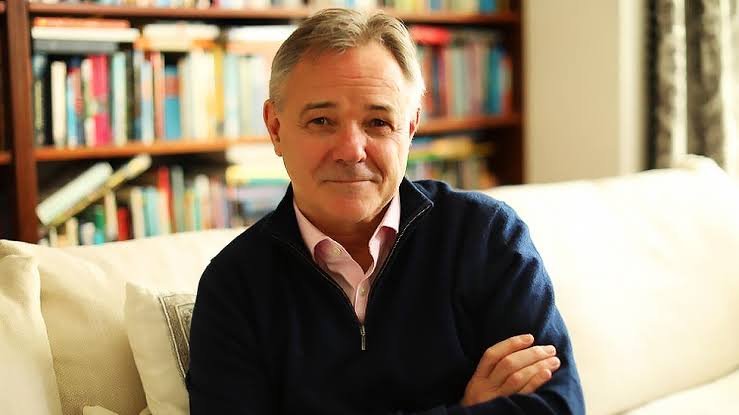
In a significant development for the global health community, Jeremy Farrar has joined PATH, a prominent international non-profit organisation focused on health innovation and equity, following his unexpected departure from the World Health Organization where he served as chief scientist. The move brings one of the world's most respected public health figures to an organisation working extensively in developing countries, including Pakistan.
Farrar will assume a senior advisory role at PATH, an organisation headquartered in Seattle that operates in more than seventy countries worldwide. The appointment comes just weeks after his sudden exit from the WHO, where he had been serving in one of the organisation's most influential scientific positions since early last year.
A Sudden Transition in Global Health Leadership
The departure from WHO caught many in the international health community by surprise, as Farrar had been expected to continue in his role as chief scientist for a longer tenure. His position at the United Nations health agency placed him at the centre of global health policy decisions, including responses to emerging infectious diseases, pandemic preparedness, and the coordination of international health research priorities.
While specific details surrounding the circumstances of his departure have not been fully disclosed, the transition represents a notable shift in leadership at a critical time for global health governance. The WHO chief scientist role involves providing strategic scientific advice to the organisation's director-general and member states on a wide range of health challenges.
PATH, the organisation Farrar is now joining, focuses on accelerating health equity through innovation in vaccines, drugs, diagnostics, and health systems strengthening. The non-profit has been particularly active in addressing diseases that disproportionately affect low and middle-income countries, including work on malaria, tuberculosis, and maternal and child health.
Distinguished Career in Global Health
Farrar brings decades of experience in infectious disease research and global health leadership to his new position. Before joining WHO, he spent eighteen years leading the Wellcome Trust, one of the world's largest charitable foundations supporting health research. Under his stewardship, the organisation significantly expanded its global reach and influence in shaping health research priorities.
His career has been marked by direct involvement in responding to major disease outbreaks. He spent years working in Vietnam, where he was involved in research and response efforts during the SARS outbreak and the emergence of avian influenza. This field experience gave him unique insights into how infectious diseases emerge and spread, particularly in resource-limited settings.
During the global health emergency, Farrar was among the prominent voices advocating for equitable access to vaccines and treatments, as well as stronger international cooperation on pandemic preparedness. His scientific background and policy experience made him a key figure in debates about how the international community should respond to health threats.
Implications for Pakistan and Regional Health
The appointment holds particular relevance for Pakistan, where PATH has maintained an active presence for years. The organisation has been involved in immunisation programmes, disease surveillance systems, and efforts to strengthen health service delivery across the country. PATH has worked with Pakistani health authorities on introducing new vaccines, improving cold chain infrastructure, and supporting polio eradication efforts.
Pakistan continues to face significant public health challenges, including high rates of maternal and child mortality, persistent infectious disease burdens, and gaps in healthcare access, particularly in rural areas. The country also remains one of only two nations where wild poliovirus transmission continues, making international partnerships in health crucial.
With Farrar's extensive experience in infectious disease control and health systems strengthening, his involvement with PATH could potentially benefit the organisation's work in Pakistan and the broader South Asian region. His understanding of how to navigate complex health challenges in resource-constrained environments may prove valuable in addressing persistent health gaps.
The transition also comes at a time when global health architecture is under scrutiny, with debates ongoing about how international organisations should be structured and funded to respond effectively to health emergencies. Questions about coordination between different global health actors, funding priorities, and the balance between emergency response and long-term health system strengthening remain unresolved.
Looking Ahead
As Farrar begins his new role, the global health community will be watching to see how his expertise shapes PATH's strategic direction. The organisation has been expanding its work in digital health, market shaping for health products, and innovative financing mechanisms for health programmes in developing countries.
For countries like Pakistan that work closely with international health organisations, the leadership changes at major global health institutions can have practical implications for programme priorities, funding flows, and technical support. The coming months will reveal how this latest transition in global health leadership affects collaborative efforts to address persistent health challenges in the developing world.


