 FirstNarration
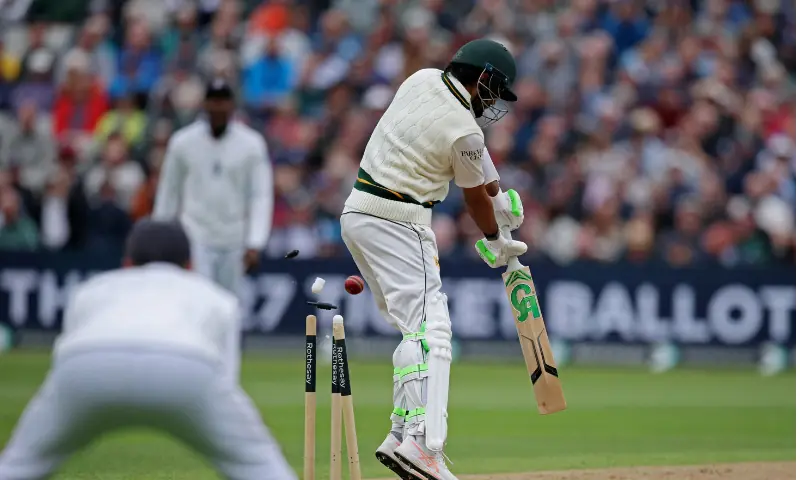
England fast bowler Josh Tongue delivered a match-defining performance to dismantle Pakistan's batting lineup in the third Test, establishing England's commanding position in the latest encounter between the two sides. The visiting team's clinical display highlighted the continuing challenges facing Pakistan's batsmen against quality pace bowling on home pitches.
Tongue's exceptional spell tore through Pakistan's batting order with precision and aggression, leaving the home side reeling as wickets tumbled at regular intervals. The England bowler exploited conditions expertly, generating movement and bounce that proved too difficult for Pakistan's batsmen to negotiate consistently.
Match-Defining Bowling Performance
The England pace attack, spearheaded by Tongue's incisive bowling, put Pakistan under immediate pressure from the outset. Tongue found the right length and line consistently, troubling batsmen with both seam movement and pace variations that kept them constantly uncertain at the crease.
Pakistan's batsmen struggled to build partnerships as wickets fell steadily throughout their innings. The inability to counter England's bowling strategy exposed familiar vulnerabilities in the batting lineup, particularly against high-quality pace bowling that maintained discipline and aggression in equal measure.
England's fielding unit supported the bowling effort with sharp catches and athletic ground fielding, ensuring that any scoring opportunities were minimized. The visitors' intensity in the field reflected their determination to press home the advantage created by their bowlers.
Pakistan's Batting Struggles Continue
The collapse represented another disappointing chapter for Pakistan's batting unit, which has faced persistent difficulties in recent Test matches. The home team's batsmen appeared tentative against quality bowling, with technical flaws becoming increasingly apparent under sustained pressure.
Senior batsmen failed to provide the stability required in challenging conditions, while younger players lacked the experience to weather the storm created by England's relentless bowling attack. The absence of substantial partnerships left Pakistan's innings fragmented and unable to build any meaningful momentum.
Pakistan's approach at the crease raised questions about shot selection and temperament, with several dismissals coming from injudicious strokes rather than unplayable deliveries. The inability to adapt tactics and occupy the crease for extended periods proved costly as the innings quickly unraveled.
England's Comprehensive Control
Beyond Tongue's standout performance, England's overall team effort demonstrated their superior preparation and execution. The bowling unit operated as a cohesive unit, maintaining pressure from both ends and preventing Pakistan's batsmen from settling into any rhythm.
England's batting earlier in the match had provided their bowlers with a platform to attack without concern for quick runs. The visitors' comprehensive approach to Test cricket, combining solid batting foundations with aggressive bowling, proved too strong for Pakistan to counter effectively.
The fielding standards set by England further emphasized the gap in intensity and sharpness between the two sides. Quick reflexes in catching positions and athletic saves in the outfield maintained the pressure on Pakistan throughout their innings.
Implications for Pakistan Cricket
The defeat raises serious concerns about Pakistan's Test cricket direction and the team's ability to compete consistently at the highest level. The recurring pattern of batting collapses suggests deeper structural issues that require urgent attention from team management and selectors.
Questions will inevitably arise about player selection, coaching methods, and preparation strategies ahead of future Test assignments. The inability to perform consistently at home adds another layer of concern, as Pakistan traditionally relied on home advantage to secure positive results.
The performance gap highlighted in this match demands a comprehensive review of Pakistan's approach to Test cricket, including technical coaching, mental conditioning, and tactical planning. Young players need better support systems to develop the skills and temperament required for sustained success at international level.
Looking Forward
Pakistan faces difficult decisions regarding team composition and strategy moving forward. The current batting lineup's repeated failures suggest changes may be necessary, though finding suitable replacements with the required Test match temperament presents its own challenges.
The coaching staff must address fundamental technical issues while also working on the mental aspects of Test cricket that separate successful teams from struggling ones. Building resilience and developing strategies to counter quality pace bowling will be essential for future improvement.
As England celebrated their dominant position, Pakistan must regroup quickly and identify solutions to prevent further embarrassment in the remainder of this Test match. The road to recovery appears long, but addressing current weaknesses honestly represents the necessary first step toward rebuilding Pakistan's Test cricket fortunes.


