 FirstNarration
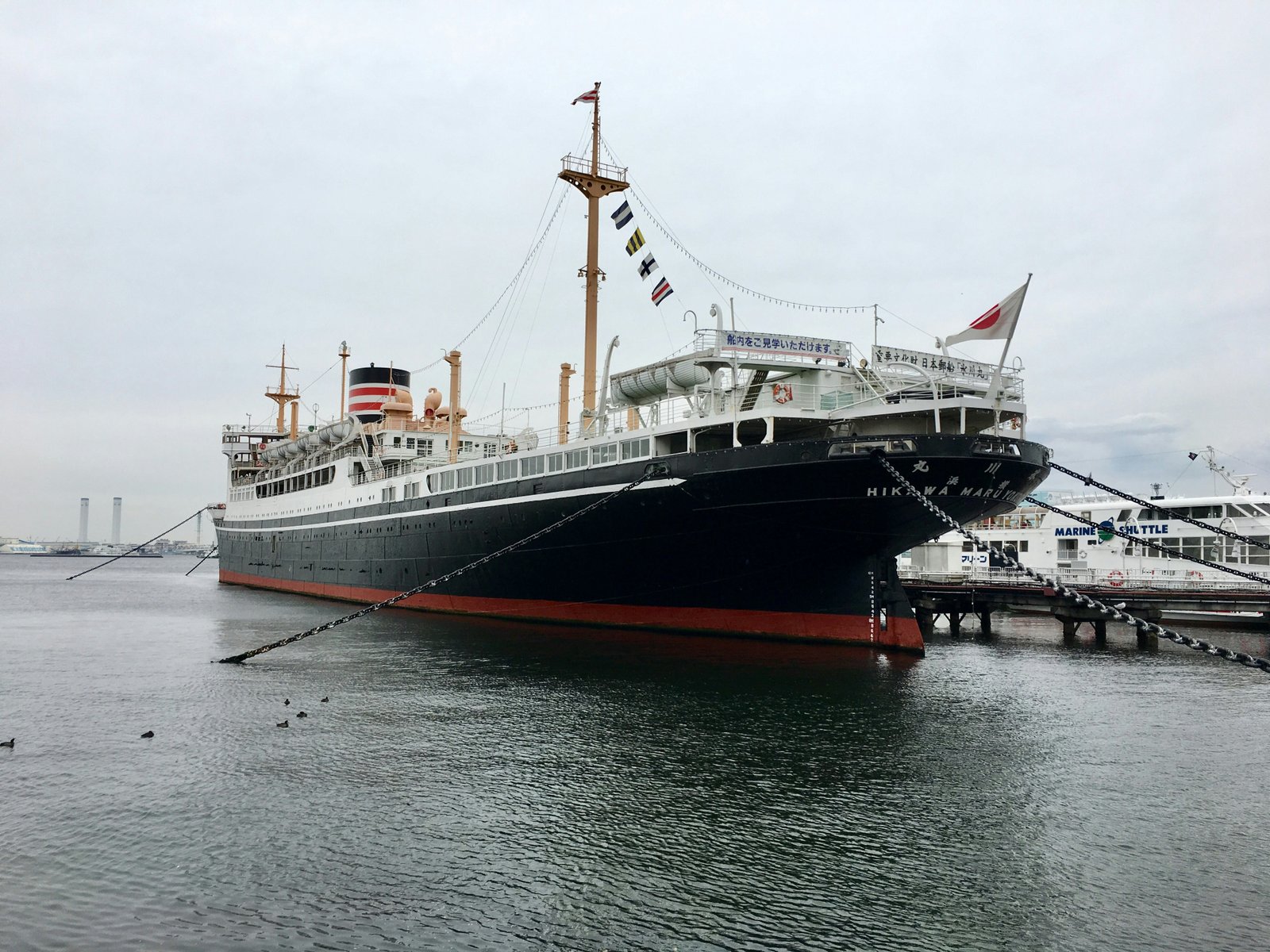
A car carrier vessel operated by Japanese shipping company NYK has completed its first call at Chan May Port in central Vietnam. The arrival marks the opening of a new shipping route for vehicle transport in the region and expands NYK's operational footprint in Southeast Asian automotive logistics.
Chan May Port, located in Thua Thien Hue Province near the city of Hue, now joins the network of ports servicing the automotive shipping sector in Vietnam. The port's position along Vietnam's central coast provides a strategic location for vehicle distribution to inland markets in the region.
What This Means for Regional Shipping
The addition of Chan May Port to NYK's car carrier routes reflects growing demand for vehicle imports and improved port infrastructure in central Vietnam. Vietnam's automotive market has been expanding steadily, with both domestic sales and vehicle assembly operations increasing in recent years.
Car carrier vessels are purpose built ships designed to transport vehicles efficiently, with multiple decks and ramps allowing for the loading and unloading of cars, trucks, and other wheeled cargo. These vessels are a critical component of global automotive supply chains, connecting manufacturing centres with consumer markets.
NYK, formally known as Nippon Yusen Kabushiki Kaisha, operates one of the world's largest fleets of car carriers and has been expanding its services across Asia to meet rising demand. The company's decision to add Chan May Port to its network suggests confidence in the port's capacity and the regional market's growth potential.
Chan May Port's Growing Role
Chan May Port has been developing its facilities to handle a wider variety of cargo types, including containerized goods, bulk materials, and now roll on roll off cargo such as vehicles. The port benefits from its proximity to major transportation corridors connecting Vietnam's central highlands with coastal shipping lanes.
The port's development is part of broader infrastructure improvements across Vietnam aimed at supporting economic growth and trade expansion. As Vietnam continues to integrate into global supply chains, ports along its extensive coastline are being upgraded to accommodate larger vessels and more diverse cargo types.
For the automotive sector specifically, having multiple port options provides greater flexibility in logistics planning and can reduce transportation costs by allowing vehicles to be delivered closer to their final destinations. This is particularly important for markets in central Vietnam, which have historically relied on ports further north or south for vehicle imports.
Implications for Automotive Trade
The new route is likely to benefit both vehicle importers and manufacturers operating in Vietnam. Companies importing finished vehicles from Japan, South Korea, and other manufacturing hubs now have an additional entry point, while domestic assembly operations may also use the route for exporting vehicles to regional markets.
Vietnam's automotive industry has been growing as both a consumer market and a production base. Several international manufacturers have established assembly plants in the country, taking advantage of its strategic location, improving infrastructure, and access to regional trade agreements.
The timing of this route expansion aligns with broader trends in Southeast Asian automotive logistics, where shipping companies are adding capacity and diversifying port calls to keep pace with market growth. As vehicle demand continues to rise across the region, efficient shipping routes become increasingly important for maintaining competitive supply chains.


