FirstNarration
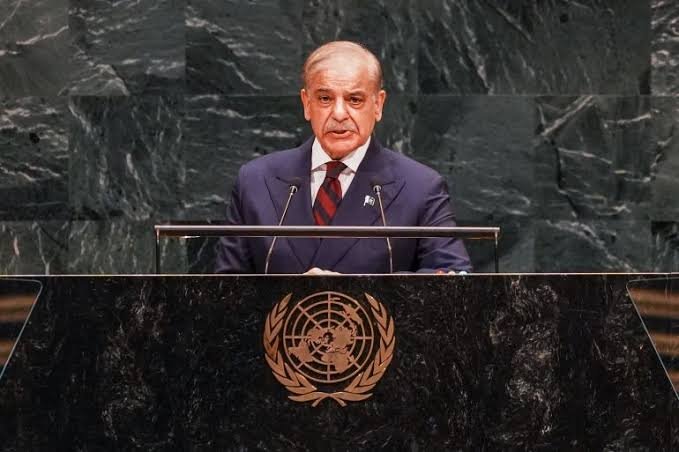
Prime Minister Shehbaz Sharif told the United Nations General Assembly that attacks on Mecca by Houthi forces represent a red line, marking a strong Pakistani position on regional security threats involving Islam's holiest site. The statement came during his address in New York, where he also called for keeping critical maritime routes open and highlighted Pakistan's investment potential to American businesses.
The prime minister specifically mentioned the Strait of Hormuz and Bab al-Mandab, two strategic waterways essential for global energy supplies and international trade. Both passages have faced security challenges in recent years, with the Bab al-Mandab strait near Yemen becoming a particular concern due to Houthi military activity in the region.
Context Behind the Statement
The Houthis, a Yemeni armed movement backed by Iran, have been involved in Yemen's civil war since 2014. The group has launched attacks on Saudi Arabia and disrupted shipping in the Red Sea and surrounding waters. While attacks directly on Mecca have not been widely reported as a regular occurrence, any threat to the holy city carries enormous symbolic and religious weight across the Muslim world.
Pakistan maintains close ties with Saudi Arabia and has historically positioned itself as a defender of Islamic holy sites. The country's leadership regularly addresses threats to Mecca and Medina as matters of national concern, reflecting both religious sentiment and strategic alliance considerations.
Diplomatic Efforts with Iran
During the same visit, PM Shehbaz referenced Pakistan's recent efforts to manage tensions with Iran. He stated that Pakistan chose to act swiftly to resolve what he described as a potential war situation with its western neighbour. This appears to reference a brief crisis earlier this year when both countries conducted military strikes on each other's territory, citing militant targets, before quickly moving to de-escalate through diplomatic channels.
The rapid diplomatic resolution prevented what could have become a more serious regional conflict. Both countries share a long border and have occasionally accused each other of harbouring militants, though they also maintain economic and cultural ties.
Investment Pitch to US Businesses
Beyond security matters, the prime minister used his UN visit to promote Pakistan as an investment destination for American companies. He highlighted opportunities in various sectors, though specific details of which industries or incentives were discussed have not been confirmed.
Pakistan has been working to attract foreign investment as it manages economic challenges including inflation, currency pressure, and debt obligations. The government has emphasized economic diplomacy as a priority, seeking partnerships that could bring capital, technology, and job creation.
Questions on Designated Figures
The prime minister's UN visit also drew attention when he reportedly avoided questions about Hafiz Saeed, a figure designated as a terrorist by the United Nations and the United States. Saeed, founder of Lashkar-e-Taiba, has been convicted in Pakistan on terrorism financing charges and remains a contentious subject in discussions about Pakistan's counterterrorism record.
How Pakistan addresses international concerns about such designated individuals continues to factor into its diplomatic relationships, particularly with the United States and India.