 FirstNarration
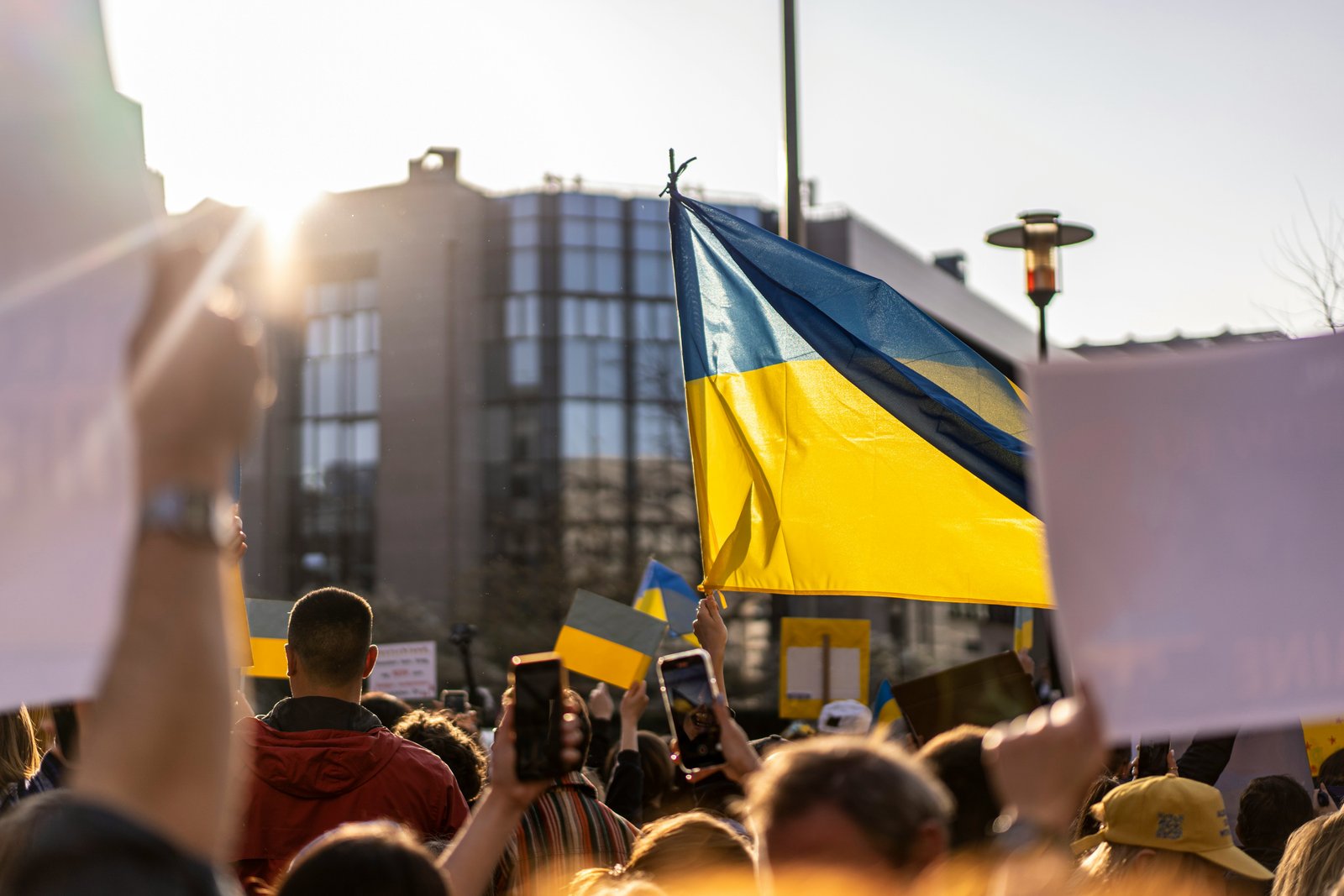
Russia and Ukraine exchanged military strikes over the weekend despite earlier claims that both sides had agreed to halt attacks on energy infrastructure. The continued hostilities raise questions about the viability of any partial ceasefire arrangements and the prospects for broader negotiations.
Ukrainian officials reported multiple Russian drone and missile attacks targeting various regions, while Russian authorities said Ukrainian forces launched strikes into Russian territory. Both sides reported casualties and infrastructure damage, though exact figures remain difficult to verify independently.
The Energy Truce Claim
Reports emerged last week suggesting that Russia and Ukraine had reached an understanding to stop targeting each other's energy facilities. The arrangement was reportedly facilitated through indirect channels, with some accounts linking it to diplomatic efforts by the United States.
Former US President Donald Trump, who has repeatedly stated he could quickly end the conflict if returned to office, claimed credit for brokering this agreement. However, neither Russian nor Ukrainian officials have publicly confirmed such an arrangement, and the continued military activity suggests no formal agreement is in place.
Energy infrastructure has been a frequent target throughout the conflict. Russia has repeatedly struck Ukrainian power plants, substations, and heating facilities, particularly during winter months, while Ukraine has targeted Russian oil refineries and energy installations in border regions and occupied territories.
Recent Military Activity
Ukrainian air defence forces reported intercepting multiple Russian drones overnight, though some struck civilian areas. Regional authorities in several Ukrainian oblasts confirmed damage to residential buildings and reported civilian injuries.
Russian officials, meanwhile, said Ukrainian drones targeted facilities in border regions including Belgorod and Kursk. Russian air defence systems reportedly intercepted some incoming threats, but explosions were confirmed in several locations.
The pattern of attacks shows no significant reduction in intensity compared to previous weeks, contradicting claims that either side has scaled back operations against infrastructure targets.
Diplomatic Context
The conflicting reports about an energy truce reflect the broader uncertainty surrounding diplomatic efforts to end or reduce the fighting. Multiple parties have attempted to facilitate negotiations, but substantive talks between Russian and Ukrainian officials remain stalled.
Trump has made ending the Ukraine conflict a central theme of his political messaging, frequently claiming he could resolve it within days. However, he has not provided detailed plans, and Ukrainian officials have expressed concern about any settlement that would require territorial concessions or compromise Ukraine's sovereignty.
European leaders have emphasized that any diplomatic solution must respect Ukraine's territorial integrity and be acceptable to Kyiv. The United States under the Biden administration has maintained military and financial support for Ukraine while stating it supports a just peace.
Verification Challenges
Confirming battlefield developments and casualty figures in the ongoing conflict remains difficult. Both sides control information from their respective territories, and independent verification of specific incidents is often impossible in real time.
Claims about agreements, truces, or understandings are particularly hard to assess when official statements are absent or contradictory. In this case, the absence of formal announcements from either government, combined with continued military activity, suggests that any understanding about energy infrastructure, if it existed, was either informal, limited in scope, or has already broken down.
The situation continues to evolve, with both military operations and diplomatic efforts proceeding on parallel tracks. Whether any reduction in attacks on specific targets materializes, and whether it could lead to broader de-escalation, remains unclear.


