 FirstNarration
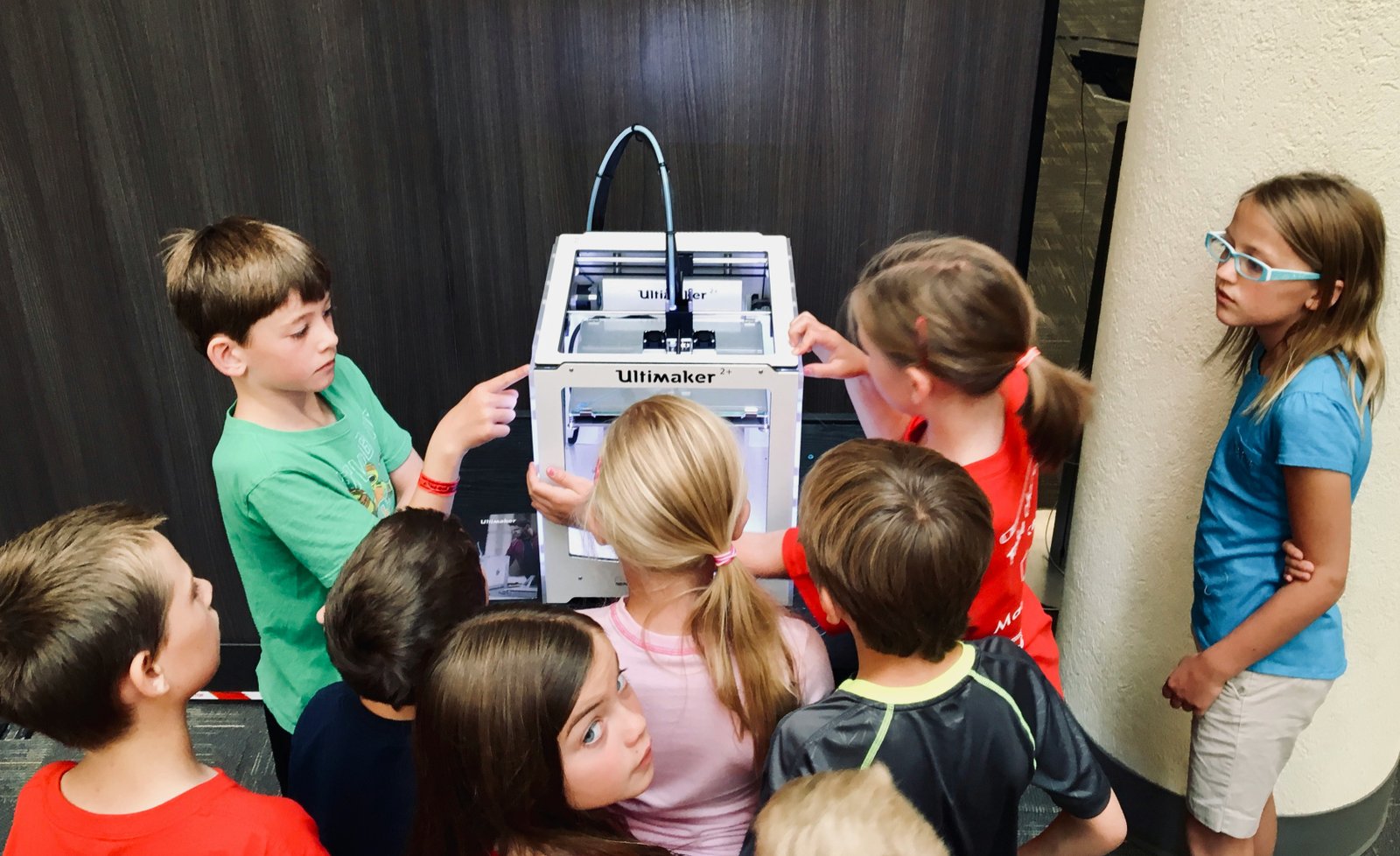
New research has found that interactions between siblings represent a largely overlooked opportunity for early engineering education. The study suggests that children learning alongside brothers and sisters can develop engineering thinking and problem solving skills in ways that formal education systems have not fully recognised or utilised.
The findings point to the home environment, specifically sibling relationships, as a natural setting where children engage in collaborative learning, experimentation, and the kind of trial and error thinking that forms the foundation of engineering disciplines.
What the Research Found
The study examined how children interact with siblings during activities that involve building, designing, or solving technical problems. Researchers observed that these interactions often include explaining concepts to one another, testing ideas together, and learning from shared mistakes.
Unlike classroom settings where instruction typically flows from teacher to student, sibling interactions create peer to peer learning environments. Older siblings frequently take on teaching roles, while younger ones ask questions and propose alternative approaches. This dynamic, according to the research, encourages both parties to think through engineering concepts more deeply.
The research also noted that sibling learning happens informally, without the pressure or structure of formal education. Children are more willing to experiment, fail, and try again when working with siblings, which mirrors the iterative process central to engineering work.
Why This Matters for Early Education
Engineering education typically begins in secondary school or later, yet research increasingly shows that foundational skills such as spatial reasoning, problem solving, and design thinking develop much earlier. The study argues that by the time formal engineering instruction begins, many children have already formed attitudes about their abilities in technical subjects.
Recognising sibling interactions as a learning resource could help educators and parents create more opportunities for early engineering exposure. Rather than relying solely on schools to introduce these concepts, families could be encouraged to support collaborative building and design activities at home.
The research also has implications for how educational programmes are designed. Curricula that incorporate peer learning and collaborative problem solving may be more effective at developing engineering skills than traditional lecture based approaches.
Practical Applications
The findings suggest several practical steps. Parents can provide materials and activities that encourage siblings to work together on building projects, from simple construction toys to more complex design challenges. Creating space for unstructured play where children can experiment without adult direction appears particularly valuable.
Schools could also design programmes that leverage sibling relationships, such as family engineering nights or take home projects intended for collaborative work. Educational materials that explicitly encourage older children to teach younger siblings could extend learning beyond the classroom.
The research does not suggest that sibling interactions should replace formal education, but rather that they represent an additional resource that has been underutilised. By recognising and supporting these natural learning environments, educators and parents may be able to broaden access to early engineering education.
Broader Context
The study arrives as education systems worldwide seek ways to improve STEM learning outcomes and increase diversity in engineering fields. Early exposure to engineering concepts is widely recognised as important for developing interest and confidence in technical subjects.
Many children, particularly those from backgrounds underrepresented in engineering, may not encounter formal engineering education until late in their schooling. Home based learning through sibling interactions could help bridge this gap, providing early exposure regardless of what resources are available in schools.
The research adds to a growing body of work examining informal learning environments and their role in developing technical skills. While the study focused specifically on sibling relationships, the broader principle that learning happens in diverse settings beyond classrooms continues to gain recognition among educators.


