 FirstNarration

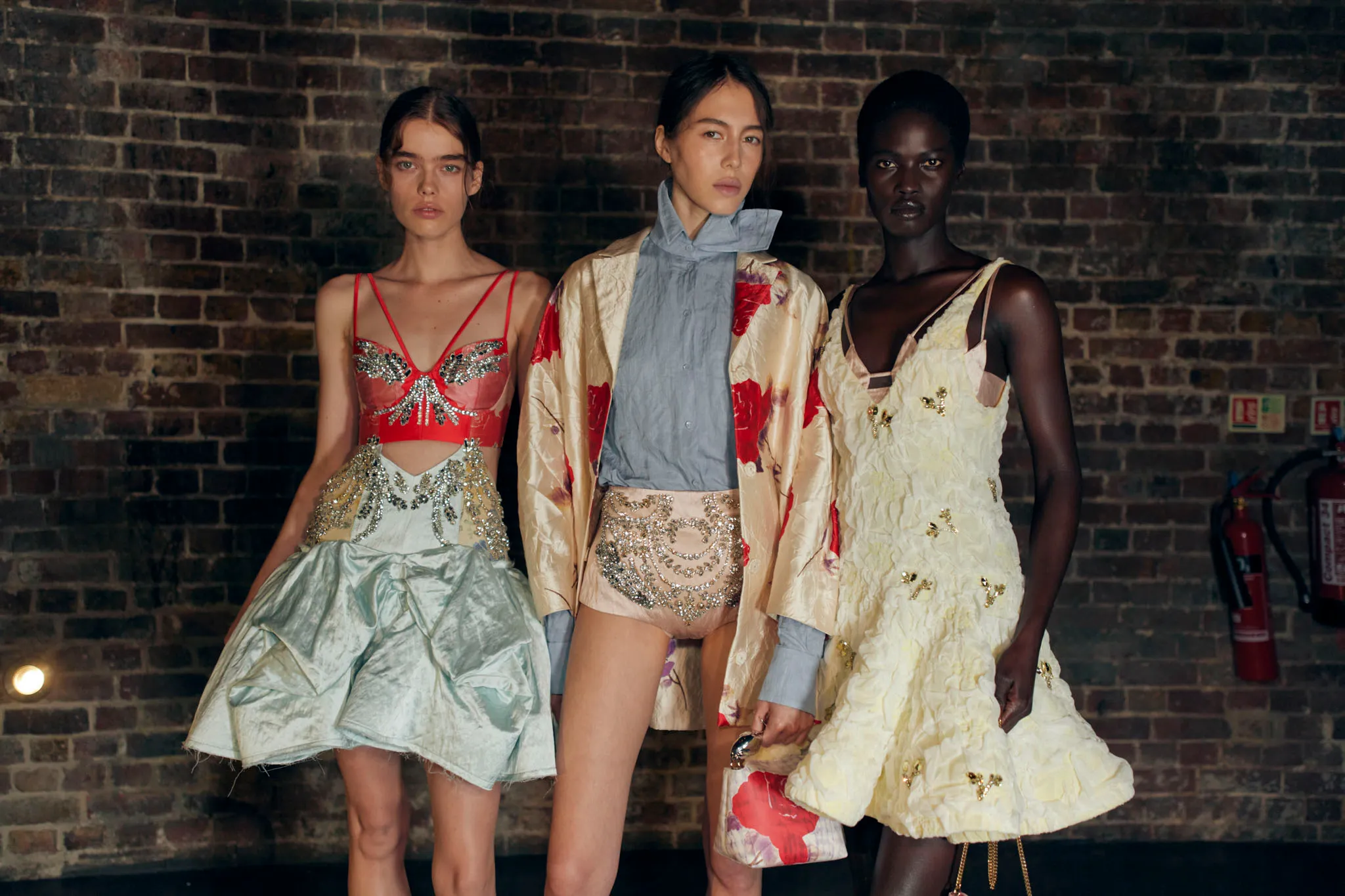
New York Fashion Week has wrapped its latest round of runway shows, and six distinct trends have emerged across the collections. These aren't just catwalk experiments (they shape what designers, retailers, and eventually shoppers will see in the coming months, from high street to luxury counters.
What Showed Up on the Runways
The trends span accessories, silhouettes, and styling techniques. Observers tracking the shows noted recurring motifs across multiple designers, suggesting these aren't one-off experiments but coordinated shifts in direction.
Among the most visible: oversized outerwear continues its run, but now layered in unexpected ways, with coats worn over other coats or structured jackets paired with softer, draped pieces underneath. The effect is volume without bulk, a technical challenge that several houses tackled differently.
Accessories took a louder role than in recent seasons. Statement bags (not the minimalist pouches that dominated the past few years, but structured, hardware-heavy designs) appeared across shows. Belts, often wide and worn high on the waist, were used to cinch everything from oversized shirts to tailored trousers, creating shape where the garment itself might lack it.
Colour and Texture Shifts
Colour palettes leaned into richness. Deep burgundies, forest greens, and burnt oranges replaced the neutral beiges and soft pastels that had been fashion's safe zone. Texture played an equally strong role, with designers mixing leather, suede, velvet, and heavy knits in single outfits, a departure from the monochrome, single-fabric looks that felt cleaner but less layered.
Sheer fabrics made a return, but not in the overtly revealing way they appeared in previous cycles. Instead, sheer panels were used as structural elements, placed strategically in sleeves, backs, or hemlines, adding visual interest without requiring the wearer to commit to full transparency.
Styling Techniques Worth Noting
Beyond the clothes themselves, the way pieces were put together offered practical takeaways. Scarves were styled as tops, wrapped and tucked in ways that turned a simple accessory into the focal point of an outfit. Trousers were shown with exaggerated pooling at the ankle, a deliberate choice rather than a tailoring oversight, creating a relaxed, almost unfinished look.
Layering extended to jewellery as well. Multiple necklaces of varying lengths, stacked rings, and mixed metals appeared frequently, suggesting that the single statement piece is giving way to a more collected, personal approach.
Why Fashion Week Trends Matter Beyond the Runway
Fashion weeks, particularly New York's, function as both creative showcases and commercial previews. What appears on the runway in February often lands in stores by late spring or summer, adapted and scaled for broader audiences. Buyers from major retailers attend specifically to identify what will sell, and designers use the platform to test ideas before committing to full production runs.
For consumers, these trends signal what will be available and what will be pushed by marketing campaigns in the months ahead. Understanding them early means recognising whether a purchase is a fleeting runway moment or part of a broader shift with staying power.
Practical Application
Not every trend translates directly to everyday wardrobes, but the underlying principles often do. The emphasis on layering, for instance, offers a way to extend the life of existing pieces by combining them differently. The return of bold accessories provides an entry point for those hesitant to overhaul their entire wardrobe but wanting to feel current.
The move toward texture and colour mixing also suggests that rigid rules about matching are loosening. Fashion, at least as presented in New York this season, is leaning into contrast and complexity rather than uniformity.
Whether these six trends hold through the next season or fade as quickly as they arrived will depend on how designers, retailers, and ultimately shoppers respond. For now, they represent the industry's best guess at what comes next.