 FirstNarration
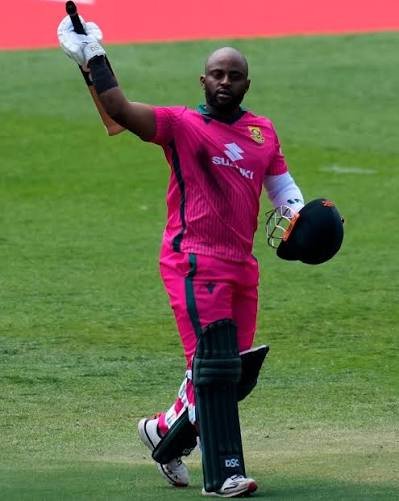
South Africa secured the ODI series against Australia with a 32-run victory in the second match, built on commanding centuries from captain Temba Bavuma and David Miller. The win gives South Africa an unassailable lead in the series with one match remaining.
Bavuma and Miller's partnership formed the backbone of South Africa's total, though the exact score has not been confirmed. Their centuries represented significant individual milestones and provided the foundation for what proved to be a match-winning total.
Australia's Middle Order Struggles Continue
Australia's chase faltered as their middle order failed to build the partnerships required to reach the target. The batting collapse highlighted ongoing concerns about Australia's ability to stabilize innings when early wickets fall or when facing quality spin bowling.
South Africa's spinners played a crucial role in breaking down the Australian batting lineup. The turning ball proved difficult for Australia's batsmen to negotiate, particularly through the middle overs where the match was effectively decided.
What the Series Win Means
The series victory represents a significant achievement for South Africa against one of world cricket's leading nations. It demonstrates the team's growing strength in home conditions and validates their approach in the 50-over format.
For Australia, the defeat exposes vulnerabilities that will need addressing ahead of future ODI commitments. The middle order's repeated failures suggest structural issues rather than isolated problems, raising questions about batting depth and adaptability against spin.
The individual performances from Bavuma and Miller also carry weight beyond this series. Bavuma's century as captain reinforces his leadership credentials, while Miller's form continues his reputation as one of the format's most dangerous middle-order batsmen.
Series Context
With South Africa now holding an unbeatable lead, the final match of the series becomes a dead rubber in terms of the overall result. However, both teams will view it as an opportunity to test combinations and address the specific weaknesses exposed during the first two encounters.
The match also took place against a backdrop of broader cricketing developments, though the on-field action remained the primary focus for both teams.


