FirstNarration

Turkey says it is prepared to help meet Saudi Arabia's military requirements under a defence cooperation agreement signed between the two countries in Mecca. Turkish Foreign Minister Hakan Fidan confirmed the position following recent attacks on Saudi territory, signaling a potential expansion of Ankara's defence role in the Gulf region.
The statement represents the first public indication that Turkey may provide direct military assistance to Saudi Arabia under the framework established by the Mecca pact. The agreement, described by Turkish officials as game changing, is being institutionalised through formal mechanisms to enable practical cooperation.
What the Defence Pact Covers
The Mecca defence agreement was signed during a period of improving relations between Turkey and Saudi Arabia, following years of tension. While the full details of the pact remain undisclosed, Turkish officials have indicated it establishes a framework for security cooperation and mutual defence commitments.
Fidan stated that Turkey would assess Saudi Arabia's specific defence needs and determine how Ankara could contribute. The foreign minister made the remarks in the context of ongoing security threats facing the kingdom, particularly attacks attributed to Houthi forces operating from Yemen.
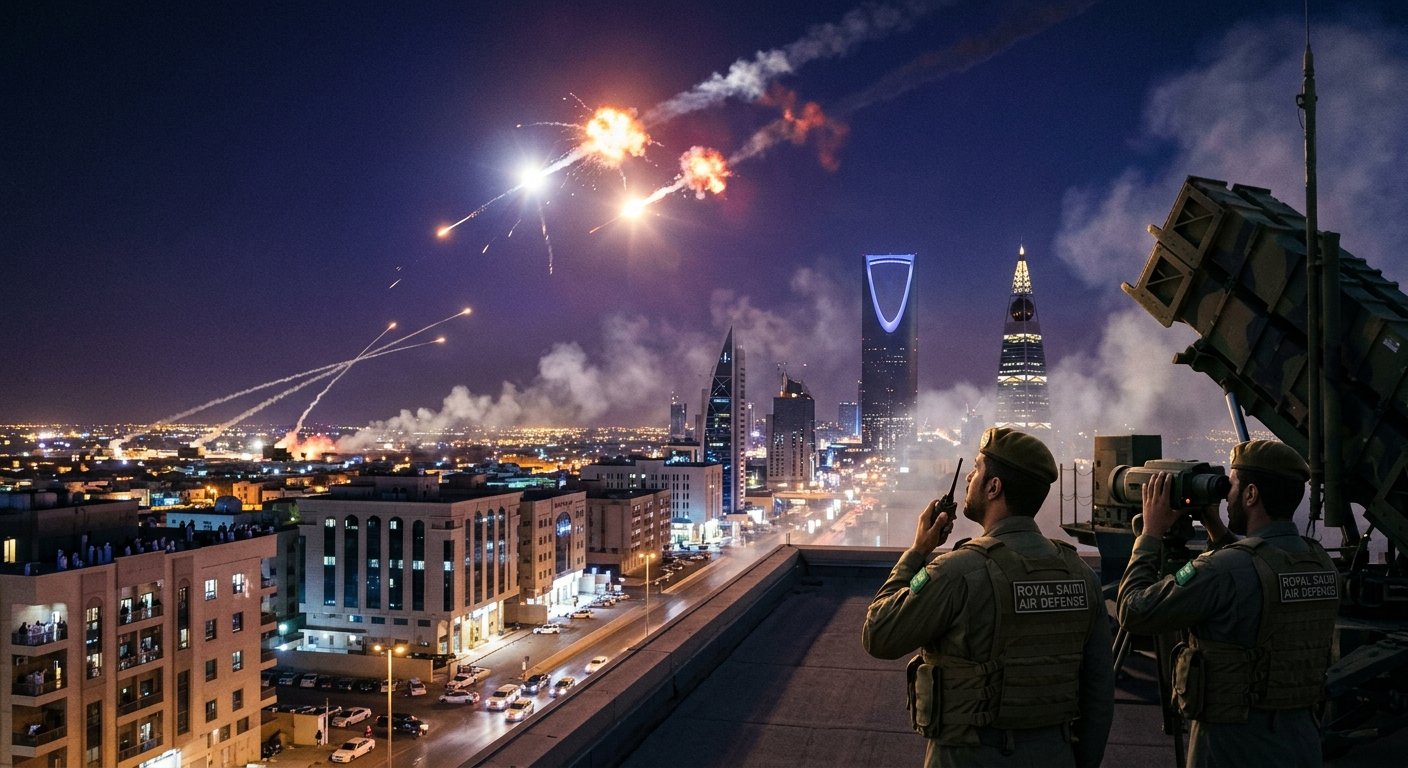
Saudi Arabia has faced repeated drone and missile strikes on its territory in recent years, targeting civilian infrastructure, oil facilities, and population centres. The attacks have prompted the kingdom to seek enhanced air defence capabilities and broader security partnerships.
Turkey's Military Industry and Regional Ambitions
Turkey has developed a substantial domestic defence industry over the past two decades, producing armed drones, air defence systems, armoured vehicles, and naval platforms. Turkish made Bayraktar drones have been used in multiple conflicts and exported to several countries, establishing Ankara's credentials as a defence supplier.
The potential involvement in Saudi Arabia's defence needs would mark a significant expansion of Turkey's military footprint in the Gulf. Ankara has previously maintained a military presence in Qatar and has sought to position itself as a security partner across the Middle East and North Africa.
Turkish officials have emphasised that any assistance would be defensive in nature, aimed at protecting Saudi territory rather than offensive operations. However, the practical implications of such support, particularly in the context of the Yemen conflict, remain unclear.
Regional Implications and Risks
Turkey's potential military role in Saudi Arabia raises questions about how such involvement might affect regional dynamics. The Houthi movement, which controls large parts of Yemen including the capital Sanaa, has warned against foreign military intervention and threatened to expand its targeting of countries supporting Saudi Arabia.
Any Turkish deployment or provision of military systems to Saudi Arabia could draw Ankara into the broader Yemen conflict, potentially exposing Turkish interests to retaliatory strikes. Turkey maintains economic ties and diplomatic relations with Iran, which backs the Houthi movement, complicating the calculus of deeper military cooperation with Riyadh.
The development also reflects the shifting alliance structures in the Middle East, where traditional rivalries have given way to more fluid partnerships based on security and economic interests. Turkey and Saudi Arabia were on opposing sides of several regional disputes in recent years, including over the 2017 Qatar blockade and the murder of journalist Jamal Khashoggi in Istanbul.
The warming of relations between Ankara and Riyadh has been accompanied by increased trade and investment flows, with both countries seeking to diversify their international partnerships amid changing global alignments.
Steps Toward Implementation
Turkish officials have indicated that formal mechanisms are being established to operationalise the Mecca defence pact. This process involves identifying specific areas of cooperation, establishing communication channels, and determining the legal and logistical frameworks for any potential military assistance.
The timeline for implementing concrete measures under the agreement has not been specified. Defence cooperation agreements typically require detailed technical assessments, training protocols, and compatibility evaluations before equipment or personnel deployments can occur.
Saudi Arabia has been working to modernise and expand its defence capabilities through partnerships with multiple countries, including the United States, France, and China. The addition of Turkey as a potential supplier would diversify the kingdom's defence procurement and reduce dependence on any single partner.
For Turkey, deeper defence ties with Saudi Arabia represent both an economic opportunity and a strategic positioning in one of the world's largest defence markets. The kingdom's substantial military budget and ongoing security concerns create potential demand for Turkish defence products and services.