 FirstNarration
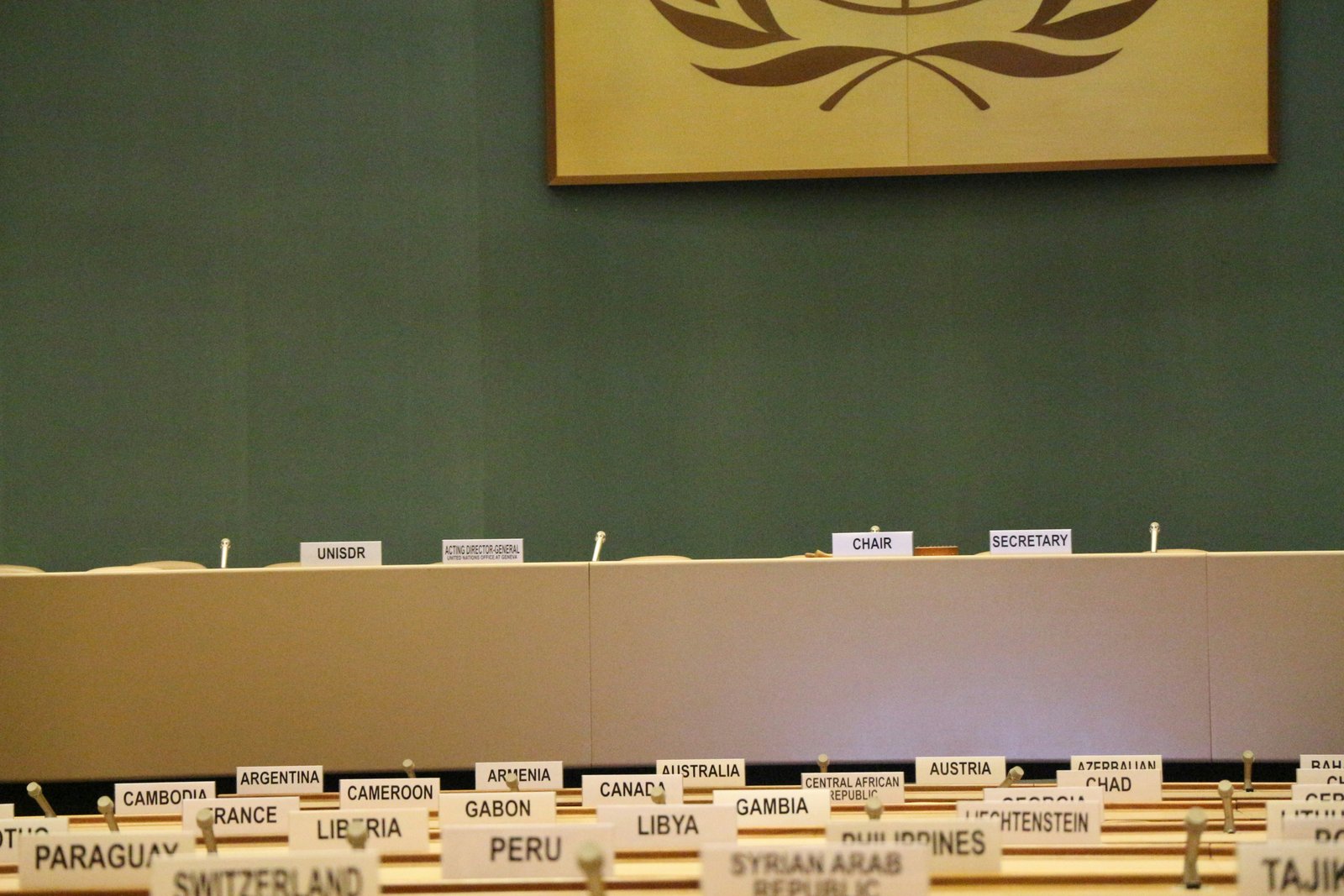
A UN Private Sector Forum has called for accelerated collaboration between governments and businesses to deliver a clean, just, and secure energy future. The forum emphasized that current progress toward global energy transition goals remains insufficient and that stronger public-private partnerships are needed to meet climate and energy security targets.
What the Forum Emphasized
The forum focused on the need for faster implementation of renewable energy projects, improved financing mechanisms, and coordinated policy frameworks that enable private sector investment in clean energy infrastructure. Participants stressed that achieving a just energy transition requires ensuring that vulnerable communities and developing economies are not left behind as the world shifts away from fossil fuels.
Energy security was highlighted as a critical concern alongside decarbonization. The forum acknowledged that recent geopolitical disruptions have exposed the fragility of global energy systems and underscored the importance of building resilient, diversified energy networks that reduce dependence on single sources or suppliers.
Private sector representatives at the forum reportedly called for clearer regulatory environments, risk-sharing mechanisms, and international cooperation to unlock the trillions of dollars in investment needed for the energy transition. The forum also addressed the role of emerging technologies, including energy storage, grid modernization, and carbon capture, in enabling a sustainable energy system.
Why Faster Action Is Needed
Global energy demand continues to rise, particularly in developing regions, while climate targets require rapid reductions in greenhouse gas emissions. Current investment levels in renewable energy and clean infrastructure fall short of what is needed to meet international climate commitments, including those outlined in the Paris Agreement.
The forum's call reflects growing recognition that governments alone cannot finance or implement the scale of transformation required. Private capital, expertise, and innovation are seen as essential to accelerating deployment of solar, wind, hydrogen, and other clean energy technologies.
The concept of a just transition, ensuring that workers and communities dependent on fossil fuel industries are supported through economic shifts, was emphasized as a prerequisite for broad political and social acceptance of energy policies.
Implications for Developing Economies
For countries like Pakistan, which face both energy security challenges and climate vulnerabilities, the forum's recommendations carry particular relevance. Pakistan has significant renewable energy potential but requires substantial investment and policy support to realize it. The country's energy mix remains heavily reliant on imported fossil fuels, making it vulnerable to price shocks and supply disruptions.
International forums advocating for stronger public-private partnerships and improved financing mechanisms could benefit Pakistani efforts to expand solar and wind capacity. However, accessing climate finance and attracting private investment depends on stable policy frameworks, grid infrastructure improvements, and institutional capacity that remain works in progress.
The emphasis on a just transition also applies to Pakistan, where millions depend on traditional energy sectors and where rural electrification and affordability remain pressing concerns. Ensuring that clean energy expansion reaches underserved populations and does not worsen economic inequalities will be critical as the country navigates its own energy transformation.
The forum's call adds to a growing international consensus that the pace of energy transition must accelerate, but translating that consensus into concrete investment, policy reform, and implementation remains the central challenge.


