FirstNarration

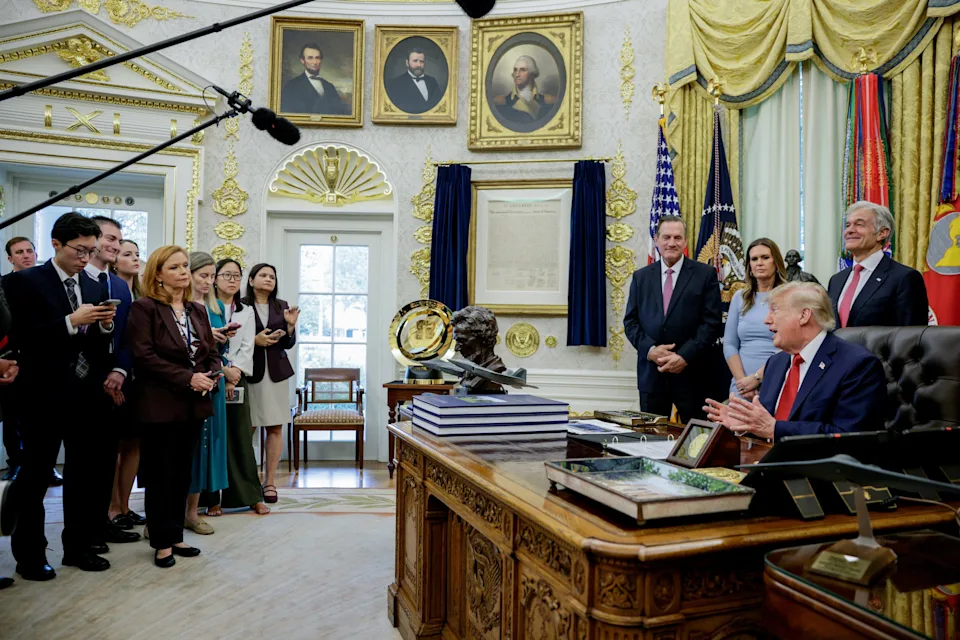
US President Donald Trump will meet with leaders from Persian Gulf states during next week's United Nations General Assembly in New York to discuss ending the conflict with Iran. The meetings represent a significant diplomatic push as Trump has indicated the war is nearing its conclusion.
The talks will bring together senior officials from Gulf Cooperation Council countries at a moment when the region remains on edge following months of escalating tensions. Separate discussions between the United States and Yemen's Houthi movement are also reportedly taking place in Oman, suggesting multiple diplomatic channels are now active.
What the Meetings Will Cover
The discussions are expected to focus on the endgame of the Iran conflict, though specific details about what a resolution might look like have not been disclosed. Trump stated publicly that the war is nearing its end, but the administration has not outlined concrete terms or timelines.
Gulf states have long been concerned about Iran's regional influence and military capabilities. These countries, including Saudi Arabia and the United Arab Emirates, have historically aligned with Washington on containing Iranian power but have also sought to avoid direct military confrontation that could threaten their own security and economic interests.
The timing of these meetings during the UN General Assembly allows for both formal diplomatic engagement and private discussions away from immediate media attention. The UN gathering regularly serves as a venue for such high level talks on sensitive regional issues.
Parallel Talks With Houthis
Alongside the Gulf leaders meeting, the United States is holding separate discussions with representatives of Yemen's Houthi movement in Oman. The Houthis, backed by Iran, have been central to regional instability, particularly through attacks on shipping in the Red Sea and strikes on Saudi infrastructure.
Oman has historically played a mediator role in Middle Eastern conflicts, maintaining relationships with both Western powers and Iran. The country's neutral stance makes it a practical location for talks that other Gulf states cannot host directly.
Whether these parallel diplomatic efforts are coordinated or represent separate tracks toward de-escalation remains unclear. The involvement of multiple parties suggests the conflict's resolution will require agreements on several fronts rather than a single bilateral deal.
Regional Security Implications
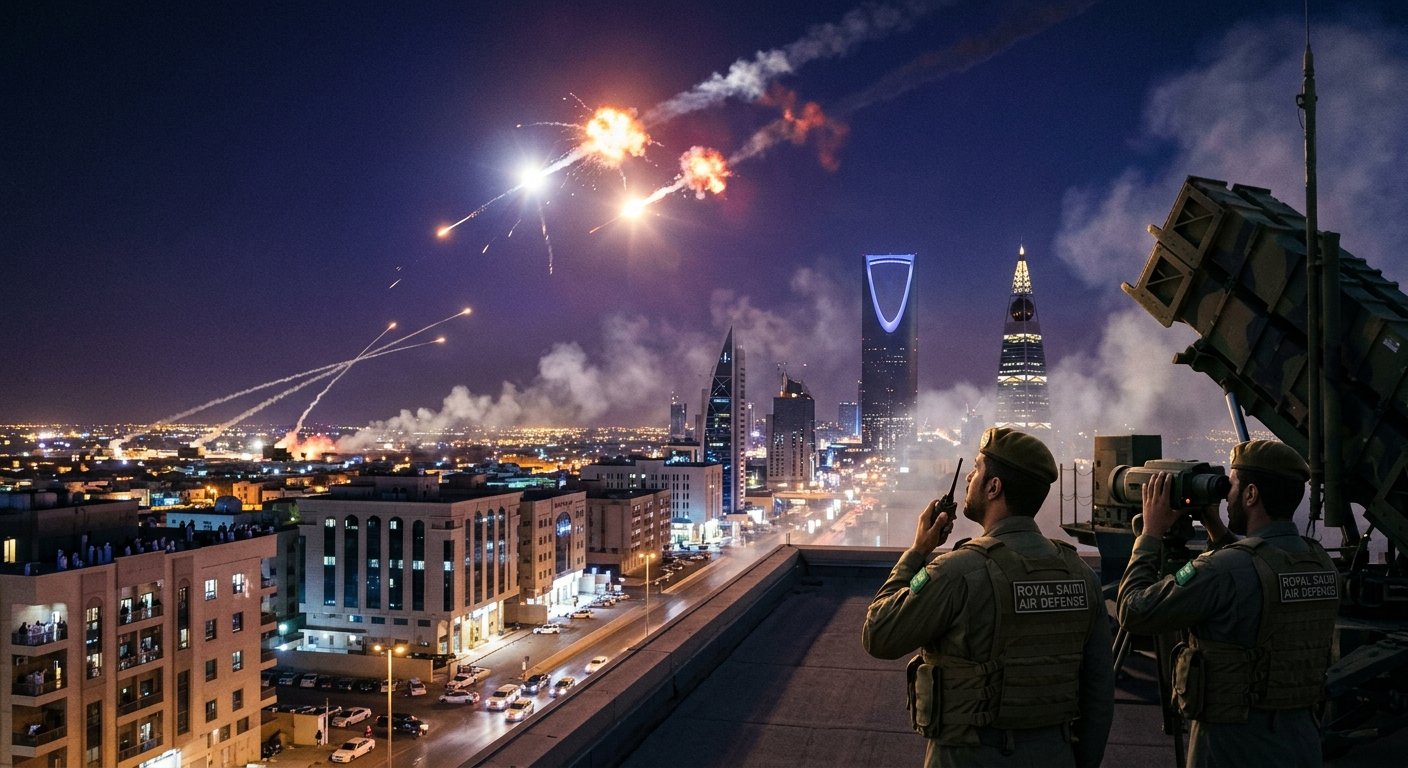
Any agreement emerging from these talks would have significant consequences for Middle Eastern stability. The conflict with Iran has disrupted global energy markets, threatened vital shipping lanes, and kept the region in a state of heightened military alert for months.
For Gulf states, a resolution could mean reduced immediate security threats but also raises questions about Iran's long term regional role and influence. These countries will likely seek assurances about future Iranian behaviour and continued US security commitments.
Pakistan, while not directly involved in these specific negotiations, watches Middle Eastern developments closely given its geographic proximity, economic ties with Gulf states, and large expatriate population working across the region. Any major shift in Gulf security arrangements or energy market stability affects Pakistan's own economic planning and regional diplomacy.
The outcome of next week's meetings will indicate whether the diplomatic momentum Trump described translates into concrete agreements or remains aspirational. With multiple parties involved and complex regional dynamics at play, the path from talks to actual conflict resolution may still require considerable time and negotiation.